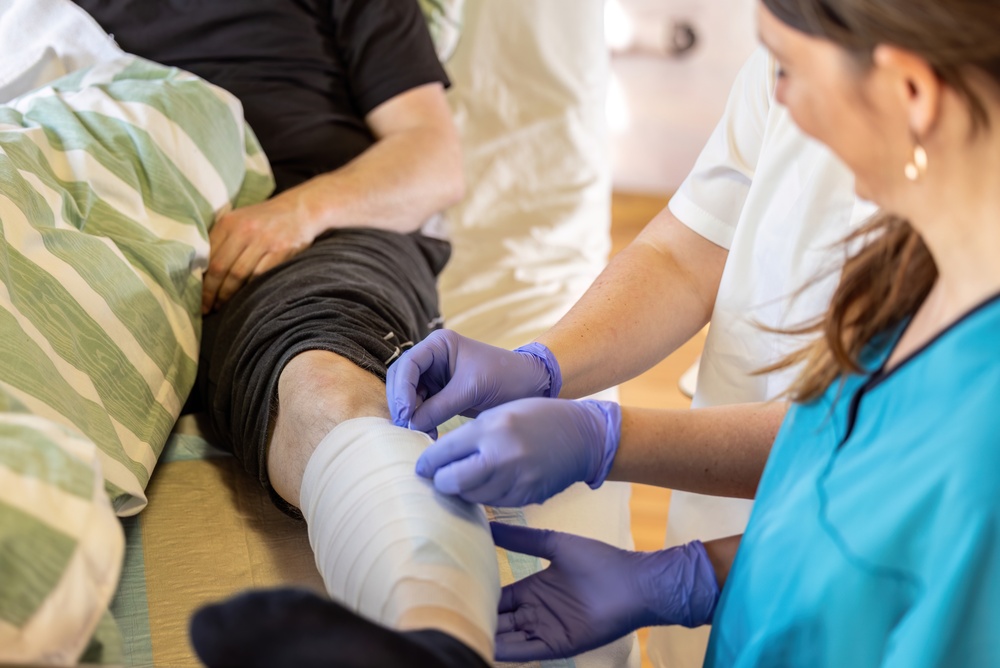
Skin grafting can be an important part of closing a wound after an injury, burn, infection, skin cancer removal, or other condition that leaves an area without enough healthy skin to heal normally. But once the graft is placed, patients often have one major concern: What happens if the skin graft does not take?
Yes, a skin graft can partially or completely fail. However, that does not mean every change in color, swelling, or unusual appearance during recovery is a sign of failure. Skin grafts can look surprisingly different as they heal.
Understanding how a skin graft gets its blood supply, what can interfere with healing, and what patients can do to protect the graft can make the recovery process much less confusing.
What Does It Mean for a Skin Graft to “Take”?
When medical professionals talk about a skin graft “taking,” they mean that the transplanted skin has successfully attached to the wound and developed the blood supply it needs to survive.
A skin graft is different from a flap. A flap is moved with its own blood supply. A skin graft is completely separated from the area where it was taken and placed onto another part of the body.
That means the graft initially has no independent blood supply.
During the first several days, the graft depends on the wound underneath it for nutrients and then gradually develops new blood vessel connections. This early period is especially important.
Dr. Robert Kratschmer, board certified plastic surgeon, may use skin grafting for wounds involving the hands, extremities, traumatic injuries, burns, or areas left open after damaged or unhealthy tissue has been removed.
Can a Skin Graft Fail?
Yes. Skin graft failure can happen, but failure is not always an all-or-nothing event.
Sometimes only a small portion of the graft does not survive. This is called partial graft loss. Depending on the size and location, that small area may be able to heal with wound care.
In other cases, a larger portion of the graft can fail and additional treatment may be necessary. The outcome depends on several factors, including the reason for grafting, the condition of the wound, circulation, infection risk, medical conditions, and how well the graft is protected during the early healing period.
Why Blood Flow Matters So Much
A healthy wound bed is one of the most important parts of successful skin graft healing. The new skin needs contact with tissue capable of supplying blood. As tiny blood vessels begin connecting to the graft, oxygen and nutrients allow the transplanted skin to survive.
Poor circulation can make this process more difficult. This is particularly important in patients with vascular disease, diabetes, previous radiation, severe traumatic injuries, or other conditions that can affect blood flow.
Before performing a graft, Dr. Robert Kratschmer, plastic surgeon in Houston, evaluates the wound and surrounding tissue to determine whether the area appears ready to support graft healing.
Why Smoking Is a Serious Concern
Smoking and nicotine deserve special attention during skin graft recovery. Nicotine causes blood vessels to narrow. That means less oxygen-rich blood may reach tissue that is already working hard to establish a new blood supply. Cigarettes are not the only concern. Vaping and other nicotine-containing products can also expose the body to nicotine.
For someone recovering from a skin graft, reduced circulation can increase the risk of delayed healing, wound problems, and graft loss. Patients should be honest about nicotine use so appropriate instructions can be given before and after surgery. Stopping nicotine for the period recommended by Dr. Kratschmer can be an important part of protecting the healing tissue.
Movement Can Affect a New Skin Graft
A skin graft needs to stay in close contact with the wound underneath it while new blood vessels are forming. Too much movement can interfere with that process.
Think of the graft as needing time to attach securely. If the graft repeatedly slides or shifts against the wound, those delicate early connections can be disrupted. This is one reason grafts on hands, fingers, joints, feet, and other highly mobile areas can require careful protection.
Depending on the location, dressings, splints, or activity restrictions may be used to limit movement during early recovery. Following those restrictions is an important part of wound care, even when the area begins to feel better.
Fluid Under the Graft Can Cause Problems
Another potential problem is fluid collecting between the graft and the wound bed.
Blood can collect underneath a graft and form a hematoma. Clear fluid can also accumulate. Either problem can separate the graft from the tissue underneath it. When that happens, the graft may have difficulty establishing the blood supply it needs.
Special dressings are often used to keep the graft firmly positioned against the wound. Patients should avoid removing or changing these dressings unless they have been specifically instructed to do so. A dressing that looks unusual from the outside does not necessarily mean something is wrong underneath it.
Infection Can Interfere With Graft Healing
Infection is another reason a skin graft may struggle to heal. Bacteria can damage tissue, increase drainage, and interfere with the connection between the graft and the wound bed. That is why wound preparation before grafting and careful postoperative wound care are so important.
Increasing redness, warmth, worsening pain, foul-smelling drainage, pus, fever, or rapidly increasing swelling should be reported promptly.
Not every amount of drainage or redness means infection, however. Healing wounds naturally change during recovery, which is why questions about a graft are best addressed by the treating medical team rather than by comparing the wound to photographs online.
What Should a Healing Skin Graft Look Like?
This is one of the most common questions because skin grafts do not always look “normal” while they are healing. A new graft may appear pink, red, purple, pale, uneven, swollen, or somewhat crusted at different stages. Its color and texture may continue changing for weeks or months.
The donor site—the area where the graft was taken—also needs to heal and may initially look similar to a scrape or superficial wound. Patients should follow the specific wound-care instructions they receive rather than assuming an unusual appearance means the graft has failed.
What Happens if Part of the Graft Does Not Take?
Partial graft loss does not automatically mean another operation will be required. A small area may sometimes heal gradually with local wound care. Other wounds may need additional cleaning, dressings, or another procedure.
Larger areas of graft failure can require more treatment. Depending on the wound, options could include another skin graft, a local tissue flap, a different type of reconstruction, or continued wound care until the area is ready for another approach.
Dr. Robert Kratschmer, Texas plastic surgeon, evaluates the wound itself rather than making the decision based only on the percentage of graft that survived.
What Can Patients Do to Protect a Skin Graft?
The first part of recovery is largely about protecting the graft while the body establishes circulation.
Follow wound-care and dressing instructions carefully. Avoid unnecessary pressure, friction, stretching, or movement of the grafted area. Keep follow-up appointments so healing can be evaluated.
Nutrition matters as well. The body needs adequate calories and protein to repair tissue. Medical conditions such as diabetes should be managed according to the patient’s treatment plan because uncontrolled blood sugar can interfere with wound healing.
And perhaps most importantly, avoid smoking and nicotine as directed.
Patients should also call the office when something seems wrong instead of waiting for the next scheduled appointment. Early evaluation of a wound problem can sometimes prevent a smaller issue from becoming a larger one.
Healing Takes Time
A successful skin graft is not finished healing simply because it has attached to the wound. The graft continues to mature over the following weeks and months. Color, thickness, sensitivity, and texture can gradually change. Scars also evolve with time.
For patients recovering from major injuries or complicated wounds, skin grafting may be only one step in a longer reconstruction process. The goal is to provide durable coverage, protect the structures beneath the wound, and help restore as much function as possible.
If you have a wound that may require skin grafting or have questions about reconstructive wound coverage, you can contact the office of Dr. Kratschmer, board certified plastic surgeon, at 281-317-8179 (phone), 855-922-3330 (text) or online at CarpalTunnelMD.com.
Disclaimer: This blog is meant for informational purposes only. Individual results, needs, and outcomes can vary. Consultation with a board-certified professional like Dr. Kratschmer is always recommended to address personal concerns and conditions. This article should not constitute medical advice. Images shown may be of models and not actual patients.
#SkinGraft #SkinGraftHealing #WoundCare #WoundHealing #ReconstructiveSurgery #HandSurgery #PlasticSurgery #HoustonPlasticSurgeon #DrRobertKratschmer #CarpalTunnelMD


Leave a Reply