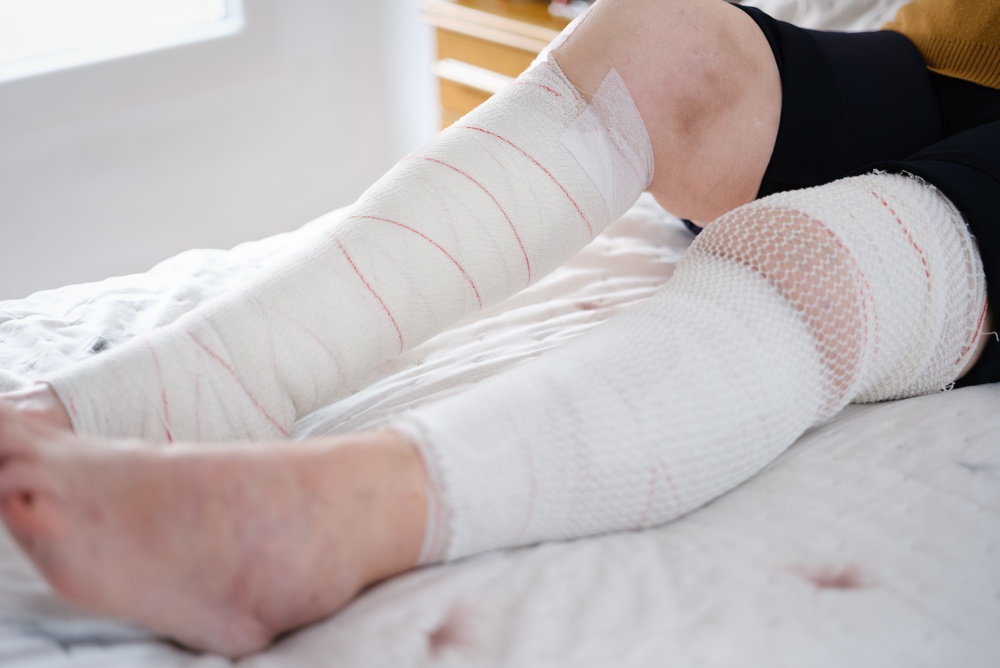
For people living with diabetes, a small wound can sometimes become a much bigger problem. A blister, callus, scrape, or pressure sore that might heal quickly in another person can remain open for weeks or months. Once a wound becomes difficult to heal, the risk of infection, tissue damage, and even amputation begins to increase.
Diabetic wounds are especially common on the feet and lower legs, but they can develop in other areas as well. Treating these wounds often requires more than simply changing a bandage. Some patients need specialized wound care, surgical cleaning, skin grafting, tissue reconstruction, or other procedures designed to close the wound and preserve the limb.
Dr. Robert Kratschmer, board certified plastic surgeon, treats complex wounds and performs reconstructive procedures for patients who need more advanced wound coverage. The goal is not simply to close the skin. Successful reconstruction must address the health of the tissue underneath the wound and create durable coverage that has the best opportunity to heal.
Why Does Diabetes Make Wounds Harder to Heal?
Diabetes can interfere with healing in several ways. One of the biggest problems is reduced circulation. Healthy blood flow brings oxygen, nutrients, and infection-fighting cells to an injured area. When circulation is poor, a wound does not receive the resources it needs to repair itself normally.
Diabetes can also damage nerves, a condition known as diabetic neuropathy. A person with neuropathy may not feel a blister, cut, or pressure point on the foot. Without pain to provide a warning, the person may continue walking on the injured area and make the wound worse.
High blood sugar can also interfere with the body’s ability to fight infection and repair damaged tissue. When poor circulation, reduced sensation, pressure, and infection occur together, even a small wound can become difficult to manage.
When a Small Wound Becomes a Serious Problem
One of the dangers of diabetic wounds is that they do not always look serious at first. A small opening in the skin can extend much deeper beneath the surface.
As tissue breaks down, the wound may eventually expose fat, muscle, tendon, or bone. Bacteria can also spread into deeper tissues. When infection reaches the bone, it can cause osteomyelitis, which makes treatment more complicated.
Warning signs include increasing redness, swelling, drainage, odor, warmth, discoloration, or a wound that continues getting larger. Fever or feeling ill can signal a more serious infection and requires prompt medical attention.
People with reduced sensation should inspect their feet regularly because pain alone is not a reliable warning sign.
The First Step Is Creating a Healthy Wound
Advanced reconstruction cannot succeed if unhealthy or infected tissue remains in the wound.
A procedure called debridement removes dead, damaged, or infected tissue. Debridement allows the medical team to see the true depth of the wound and creates a healthier surface for healing.
Some patients need more than one debridement before reconstruction is appropriate. Infection may also need to be treated, and blood flow to the affected limb may need to be evaluated.
Dr. Robert Kratschmer, plastic surgeon in Houston, evaluates the condition of the wound and surrounding tissue before determining whether reconstructive coverage is appropriate.
Negative Pressure Wound Therapy Can Help Prepare the Area
Some complex wounds benefit from negative pressure wound therapy, often called a wound VAC.
A special dressing is placed over the wound and connected to a device that creates controlled negative pressure. This helps remove excess fluid and can encourage healthy granulation tissue to develop.
A wound VAC does not replace every other treatment. Instead, it may be one step in preparing a difficult wound for eventual closure, grafting, or another reconstructive procedure.
Skin Grafts Can Provide Wound Coverage
Once a wound is clean and has a healthy blood supply, a skin graft may be considered.
During skin grafting, healthy skin is taken from another part of the patient’s body and placed over the wound. The graft must develop a blood supply from the tissue underneath it to survive.
Split-thickness skin grafts are commonly used for larger wounds. They contain the outer layers of skin and allow surgeons to cover a relatively large area using skin from a donor site elsewhere on the body.
Not every diabetic wound is appropriate for a skin graft. The wound bed must be healthy enough to support the graft. Active infection, poor blood flow, exposed structures without adequate vascular tissue, or continued pressure on the area can interfere with graft healing.
Some Wounds Need More Than a Skin Graft
Skin grafting is only one reconstructive option.
When a wound is deeper or important structures are exposed, tissue flap reconstruction may be needed. A flap moves living tissue with its own blood supply into the damaged area. Depending on the wound, that tissue may include skin, fat, fascia, or muscle.
Flaps provide thicker, more durable coverage than a simple skin graft and can be especially valuable when bone, tendons, joints, or other structures need protection.
The best reconstruction depends on the location, depth, circulation, infection status, and amount of tissue that has been lost.
Reconstruction Can Play a Role in Limb Salvage
For some patients, advanced wound reconstruction becomes part of a larger effort to prevent amputation.
Limb salvage often involves several medical specialties working together. A patient might need treatment for infection, vascular evaluation to improve blood flow, management of diabetes, surgical debridement, pressure relief, and reconstructive wound coverage.
No reconstructive procedure can guarantee that an amputation will be avoided. Severe infection, extensive tissue loss, poor circulation, or other medical conditions sometimes make amputation necessary. Still, when a limb has adequate blood flow and healthy tissue can be preserved, reconstruction may provide another option.
The goal of limb salvage is not simply keeping the foot or leg. The goal is preserving a limb that is stable, functional, and able to heal.
Pressure Must Be Addressed for the Wound to Stay Closed
Closing a diabetic foot wound is only part of the challenge. Keeping it closed matters just as much.
If the original wound developed because of repeated pressure, continuing to place pressure on the same area can cause the wound to reopen. This is why offloading is so important.
Special footwear, braces, casts, mobility devices, or other methods may be used to reduce pressure during healing. Patients should follow these restrictions carefully, even when the wound begins looking better.
Returning to normal activity too quickly can damage fragile healing tissue.
Blood Sugar Control Matters During Healing
Reconstructive surgery cannot overcome uncontrolled diabetes by itself.
Blood sugar management is an important part of wound healing because elevated glucose levels can interfere with immune function and the body’s ability to repair tissue. Nutrition, smoking status, circulation, kidney disease, and other health conditions can also influence recovery.
Complex wound care works best when the entire patient is treated, not only the visible wound.
Early Treatment Gives Patients More Options
One of the most important lessons with diabetic wounds is not to wait until the wound becomes severe.
A wound that has not improved, continues draining, becomes deeper, or repeatedly opens deserves medical attention. Early treatment may provide more options and prevent a manageable problem from becoming a limb-threatening emergency.
For patients already dealing with a complicated wound, advanced reconstructive techniques such as debridement, skin grafting, and flap coverage may become part of a larger treatment plan focused on healing and limb preservation.
Dr. Robert Kratschmer, Texas plastic surgeon, works with patients who have complex wounds and reconstructive needs. Every wound requires an individual evaluation because the appropriate treatment depends on the patient’s circulation, medical health, infection status, tissue damage, and long-term functional needs.
If you or a family member is dealing with a diabetic wound that is not healing or would like to learn more about reconstructive wound care and limb salvage options, you can contact the office of Dr. Kratschmer, board certified plastic surgeon, at 281-317-8179 (phone), or 855-922-3330 (text).
Click here for services offered
Click here to view insurances accepted
Click here to schedule an appointment
Disclaimer: This blog is meant for informational purposes only. Individual results, needs, and outcomes can vary. Consultation with a board-certified professional like Dr. Kratschmer is always recommended to address personal concerns and conditions. This article should not constitute medical advice. Images shown may be of models and not actual patients.
#DiabeticWound #DiabeticFootWound #WoundCare #LimbSalvage #SkinGraft #WoundReconstruction #DiabeticUlcer #ReconstructiveSurgery #HoustonWoundCare #CarpalTunnelMD


Leave a Reply