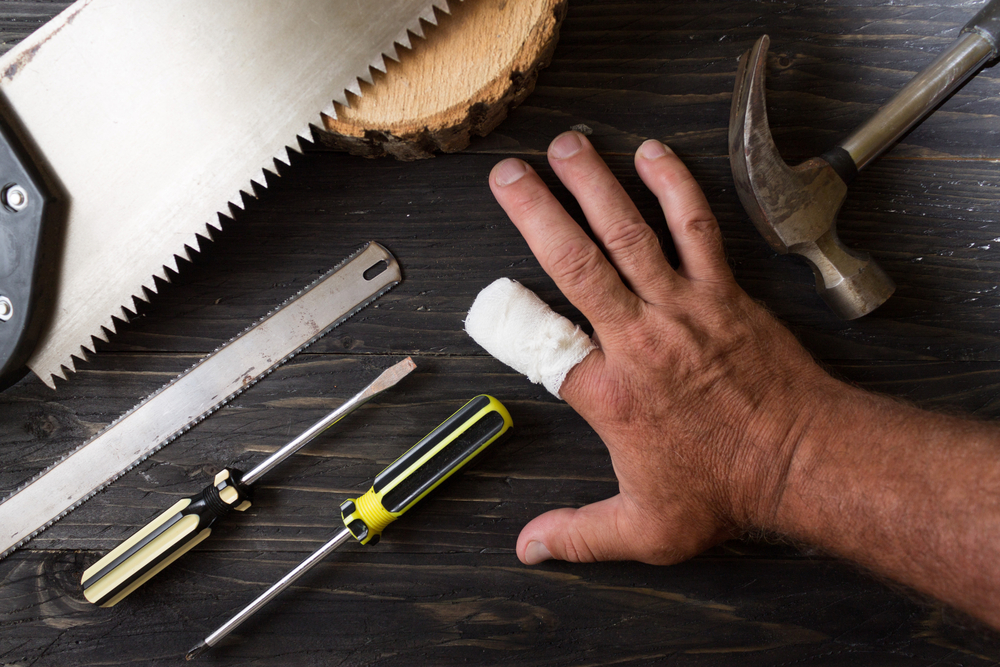
A traumatic finger amputation is one of the most devastating injuries a person can experience. In an instant, a normal workday or weekend project can turn into an emergency. Whether the injury happens from a table saw, lawn equipment, heavy machinery, a crush injury, or a workplace accident, losing part of a finger affects far more than appearance. It can impact strength, sensation, grip, and the ability to perform everyday tasks.
One of the first questions patients ask is whether the finger can be saved. The answer depends on several factors, including how the injury occurred, how much tissue was damaged, how quickly medical care is received, and the overall condition of the amputated part. While some fingers can be replanted, many severe injuries require a different approach called a revision finger amputation.
Dr. Robert Kratschmer, board certified plastic surgeon, treats a wide range of traumatic hand injuries. When reattachment is not the safest or most successful option, revision amputation is often performed to create the best possible long-term outcome for healing, comfort, and hand function.
Not Every Finger Can Be Reattached
Movies often make it seem like every amputated finger can simply be sewn back on. Unfortunately, real life is much more complicated.
A clean cut from a sharp object has a better chance of successful reattachment than a finger that has been crushed, torn, or severely contaminated. Injuries involving heavy machinery, farm equipment, or industrial accidents often destroy blood vessels, nerves, tendons, bone, and soft tissue beyond repair.
In these situations, attempting reattachment may actually lead to multiple surgeries, prolonged recovery, poor function, or failure of the replanted finger. Sometimes the better choice is creating a healthy, stable finger that heals well and allows the patient to regain the greatest possible function.
What Is a Revision Finger Amputation?
A revision finger amputation is a surgical procedure that reshapes the injured finger after a traumatic amputation. Rather than leaving damaged tissue to heal unevenly, the surgeon removes nonviable tissue, smooths exposed bone when necessary, protects nerves, and closes the wound in a way that promotes healing.
The goal is not simply shortening the finger. The goal is creating a finger that is less painful, less likely to develop complications, and more functional over the long term.
Dr. Robert Kratschmer, plastic surgeon in Houston, Friendswood and Pasadena TX carefully evaluates each injury individually because every amputation is different. Factors such as blood flow, tendon injury, contamination, skin loss, and the patient’s occupation all influence treatment decisions.
Why Revision Surgery Is Often the Best Option
Hearing the words “revision amputation” can be frightening, but many patients are surprised to learn that this procedure often provides the best opportunity for recovery.
Severely damaged tissue may never heal properly. Jagged skin edges, exposed bone, crushed tissue, and injured nerves can lead to chronic pain, infection, delayed healing, or repeated surgeries if not properly treated.
Revision surgery creates healthy wound edges and improves soft tissue coverage. This allows the finger to heal more predictably while reducing future problems.
For many patients, the goal shifts from saving every millimeter of finger length to preserving overall hand function.
Function Is More Important Than Finger Length
The human hand is incredibly complex. Every finger works together during gripping, lifting, typing, writing, and countless daily activities.
After a traumatic injury, surgeons focus on preserving as much useful function as possible. A shorter finger that heals well and moves comfortably is often more useful than a longer finger that remains painful, stiff, or unstable.
The thumb deserves special attention because it contributes significantly to grip strength and pinch function. Even injuries involving the index or middle finger can affect fine motor skills, making experienced reconstructive planning extremely important.
Caring for Nerves During Surgery
One important part of revision amputation involves managing injured nerves.
When nerves are cut during trauma, they continue trying to regenerate. Without careful surgical treatment, they can form painful nerve bundles called neuromas. These areas may become extremely sensitive whenever they are bumped or touched.
During revision surgery, surgeons carefully address nerve endings to reduce the risk of long-term nerve pain whenever possible. This small part of the procedure can make a significant difference in comfort years later.
Recovery After a Finger Amputation
Healing begins immediately after surgery, but recovery takes time.
Patients usually leave surgery with a protective dressing or splint. Swelling and discomfort are expected during the first several days. Keeping the hand elevated helps reduce swelling while improving circulation.
As healing progresses, patients gradually begin gentle movement exercises. Early motion helps reduce stiffness, which can develop quickly after hand injuries.
The exact recovery timeline depends on several factors, including the severity of the injury, which finger was involved, whether fractures or tendon injuries were present, and the patient’s overall health.
Many people are able to resume light daily activities within a few weeks, while physically demanding jobs may require additional healing time.
Hand Therapy Makes a Big Difference
Surgery is only one part of recovery.
Hand therapy often becomes one of the most valuable tools after traumatic finger injuries. Certified hand therapists guide patients through exercises that improve flexibility, reduce swelling, strengthen the hand, and restore coordination.
Patients sometimes become discouraged because the hand feels stiff or weak early in recovery. This is normal. Improvement happens gradually over weeks and months as healing continues.
Consistently participating in therapy often leads to better motion, greater strength, and improved overall function.
Emotional Recovery Is Part of Healing Too
Finger amputations affect more than physical health.
Many patients experience frustration, anxiety, sadness, or even grief after losing part of a finger. Activities that once felt automatic suddenly require adjustment. Returning to work, hobbies, or sports can feel intimidating.
These emotions are completely understandable. Fortunately, many patients discover they adapt remarkably well over time. The brain learns new movement patterns, strength improves, and daily tasks become easier with practice.
Support from family, therapists, and the medical team plays an important role throughout recovery.
Modern Reconstruction Focuses on Long-Term Function
Advances in reconstructive hand surgery continue to improve outcomes after traumatic injuries.
Depending on the injury, treatment may include fracture repair, tendon repair, skin grafts, local tissue flaps, nerve management, or revision amputation. Every treatment plan is individualized because no two injuries are exactly alike.
Dr. Robert Kratschmer, Texas plastic surgeon, focuses on restoring function while helping patients achieve durable wound healing and the highest level of independence possible.
Although a traumatic finger injury can feel overwhelming in the moment, many patients return to work, hobbies, and everyday life after proper treatment and rehabilitation.
Early Treatment Matters
One of the biggest factors affecting recovery is how quickly treatment begins.
Open wounds, exposed bone, contamination, and damaged tissue all increase the risk of infection and healing complications. Prompt evaluation allows surgeons to determine the safest reconstructive plan before additional damage occurs.
If you or someone you know experiences a traumatic finger amputation, seeking immediate medical attention gives the best opportunity for preserving function and achieving the best possible outcome.
If you would like to learn more about finger amputations, revision finger amputations, traumatic hand injuries, or reconstructive hand surgery, you can contact the office of Dr. Kratschmer, board certified plastic surgeon, at 281-317-8179 (phone), 855-922-3330 (text) or online at CarpalTunnelMD.com.
Disclaimer: This blog is meant for informational purposes only. Individual results, needs, and outcomes can vary. Consultation with a board-certified professional like Dr. Kratschmer is always recommended to address personal concerns and conditions. This article should not constitute medical advice. Images shown may be of models and not actual patients.
#FingerAmputation #RevisionAmputation #HandTrauma #HandSurgery #WorkplaceInjury #TraumaticHandInjury #ReconstructiveSurgery #CarpalTunnelMD #HoustonHandSurgeon


Leave a Reply