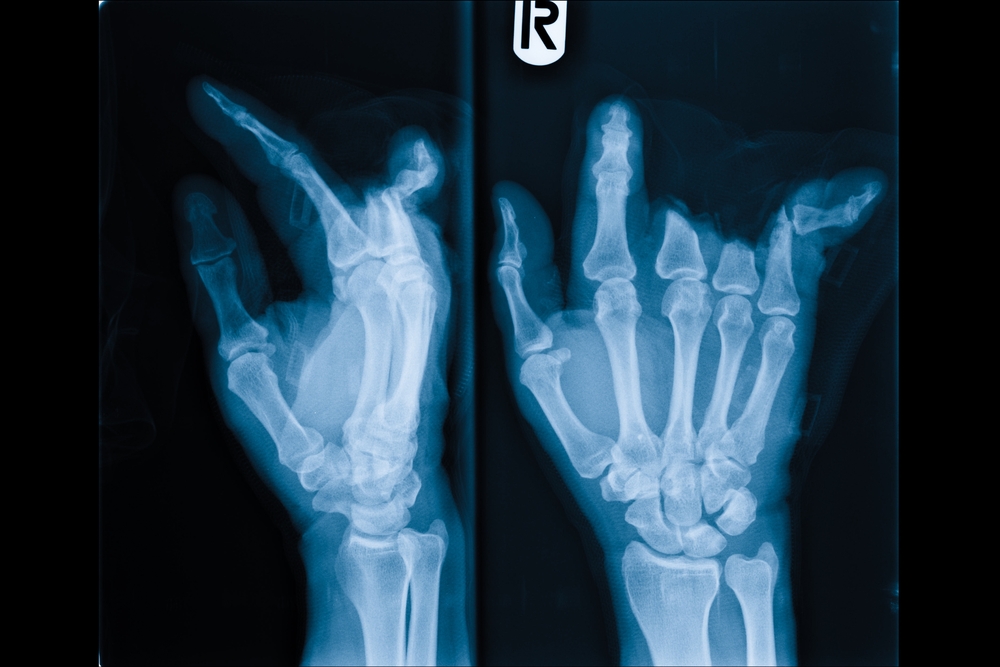
A finger amputation is one of the most traumatic hand injuries a person can experience. These injuries often happen suddenly during work accidents, power tool injuries, farming incidents, industrial trauma, vehicle accidents, or crush injuries. In a matter of seconds, a person can go from normal daily activity to facing pain, bleeding, loss of function, and emotional shock.
While some finger injuries can be repaired, others are too severe to save the damaged tissue. In these situations, amputation or revision amputation may be necessary to create a healthier, more functional hand and reduce the risk of long-term complications. Understanding how these injuries are treated can help patients know what to expect during recovery and reconstruction.
Finger amputations vary greatly in severity. Some involve only the fingertip, while others may affect joints, tendons, nerves, bone, or multiple fingers. The location and type of injury play a major role in determining treatment options.
Clean-cut injuries are sometimes candidates for reattachment, also called replantation. However, many traumatic amputations involve crushing, tearing, contamination, or severe tissue destruction that makes successful reattachment unlikely. In these situations, surgeons focus on preserving as much healthy tissue and hand function as possible.
Dr. Robert Kratschmer, board certified plastic surgeon, treats traumatic hand injuries that may require reconstruction, wound closure, or revision amputation procedures. The goal is often to create a stable, functional finger or hand that can heal properly and allow patients to return to daily activities whenever possible.
A revision finger amputation is a surgical procedure performed to improve the condition of an injured or previously amputated finger. In many traumatic injuries, the damaged tissue is irregular, unstable, or unlikely to heal correctly without surgical revision. Bone may be exposed, skin may be torn unevenly, or nerves may be damaged. A revision procedure reshapes and closes the area in a way that promotes healing and reduces complications.
One of the most important goals during revision surgery is preserving function. Even a partial finger amputation can affect grip strength, dexterity, and coordination. The hand works as a connected system, so injuries involving one finger can impact overall hand use.
Surgeons carefully evaluate the soft tissue, blood supply, tendons, nerves, and remaining bone before deciding how much tissue can be preserved safely. In some cases, shortening the bone slightly allows for better wound closure and improved healing. Protecting sensitive nerve endings is also important to reduce future pain.
Many patients are unfamiliar with the term “revision amputation” and assume it means the injury became worse. In reality, revision procedures are often part of appropriate treatment after severe trauma. The goal is not simply removing tissue. It is creating a healthier and more functional result after a devastating injury.
Pain management and wound healing are major parts of recovery. Right after injury, patients may experience swelling, throbbing, and significant discomfort. Dressings and splints are often used to protect the area during healing. Depending on the injury, patients may also need antibiotics, wound care, or therapy.
Hand therapy is extremely important after many finger injuries. Stiffness can develop quickly after trauma or surgery, especially in the small joints of the hand. Therapy focuses on maintaining movement, reducing swelling, improving strength, and helping patients adapt to changes in hand function.
Recovery timelines vary widely. Smaller fingertip injuries may heal relatively quickly, while larger or more complex injuries can require months of recovery and rehabilitation. Patients who perform manual labor or repetitive hand work may need additional time before returning to full activity.
One challenge after finger amputation is sensitivity at the tip of the residual finger. The area may feel tender, cold-sensitive, or uncomfortable during healing. Some patients also experience hypersensitivity where normal touch feels exaggerated or painful. Desensitization exercises and therapy techniques may help improve comfort over time.
Nerve-related pain can also occur after traumatic amputations. Neuromas are bundles of nerve tissue that may form when nerves are injured. These can become painful, especially if located in areas that experience pressure or contact. Revision surgery sometimes includes careful nerve management to reduce this risk.
In severe hand trauma, reconstruction may involve more than one procedure. Skin grafts, local tissue flaps, tendon repair, fracture stabilization, or wound reconstruction may all be necessary depending on the extent of the injury. Dr. Robert Kratschmer, plastic surgeon in Houston, may use different reconstructive techniques to help preserve coverage and support healing after trauma.
Emotional recovery is another part of the healing process that is often overlooked. Finger amputations can affect confidence, work ability, hobbies, and daily independence. Even small injuries may feel emotionally overwhelming because the hands are involved in nearly everything people do.
Patients commonly worry about whether they will regain normal hand function. The answer depends on many factors, including which finger was injured, how severe the trauma was, and how quickly treatment occurred. In many cases, patients adapt remarkably well over time, especially with proper therapy and rehabilitation.
The thumb plays a particularly important role in hand function. Injuries involving the thumb can significantly affect grip and pinch strength. Even injuries involving the index or middle finger may impact fine motor tasks like writing, typing, or handling tools.
Fingertip amputations are among the most common hand injuries treated in emergency and surgical settings. While they may sound minor compared to larger amputations, fingertip injuries can still be very painful and functionally important. The fingertips contain dense nerve endings and are critical for sensation and dexterity.
In some fingertip injuries, the nail bed is also damaged. Nail deformities may occur during healing depending on how much tissue was injured. Careful reconstruction can help improve both function and appearance when possible.
Infection prevention is another major concern after traumatic injuries. Many finger amputations occur in environments involving machinery, dirt, grease, wood, or metal. Proper wound cleaning and surgical management help reduce complications and support healing.
Timing is important in traumatic hand injuries. Delaying treatment can increase infection risk, tissue damage, and difficulty with reconstruction. This is why severe hand injuries are typically evaluated urgently.
Modern reconstructive techniques have improved outcomes for many patients with traumatic finger injuries. While not every finger can be saved or fully restored, the focus remains on maximizing function, reducing pain, and helping patients regain independence.
Dr. Robert Kratschmer, Texas plastic surgeon, treats a variety of traumatic hand injuries ranging from lacerations and crush injuries to complex wounds and finger trauma. Care after these injuries often involves a combination of surgery, wound management, rehabilitation, and follow-up care.
A traumatic finger injury can feel life-changing in the moment, but recovery is often a gradual process of healing and adaptation. Many patients are able to return to work, hobbies, and daily activities with time, therapy, and proper treatment.
If you would like to learn more about traumatic hand injuries, finger amputations, or revision finger amputation procedures, you can contact the office of Dr. Kratschmer, board certified plastic surgeon, at 281-317-8179 (phone), 855-922-3330 (text) or online at hand-surgerycenter.com.
Disclaimer: This blog is meant for informational purposes only. Individual results, needs, and outcomes can vary. Consultation with a board-certified professional like Dr. Kratschmer is always recommended to address personal concerns and conditions. This article should not constitute medical advice. Images shown may be of models and not actual patients.
#FingerAmputation #HandTrauma #HandSurgery #TraumaticInjury #RevisionAmputation #FingerInjury #PlasticSurgeryHouston #HandReconstruction #WoundCare #IndustrialInjury


Leave a Reply